
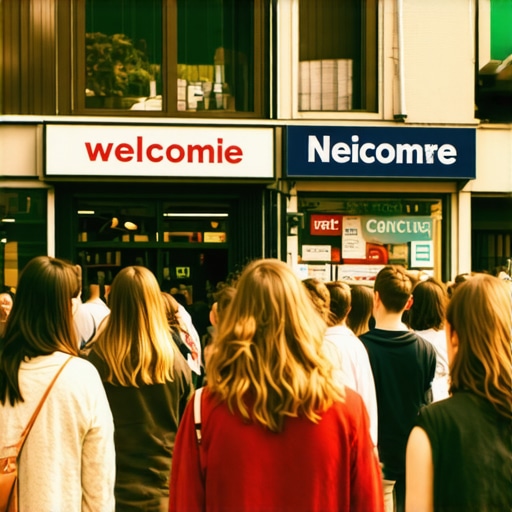
It was a moment I won’t forget. I was standing in front of my favorite local coffee shop in DC, watched as a tourist scrolled past on their phone, searching for something — anything — nearby. To my surprise, instead of seeing my friend’s cozy corner or the charming boutique around the block, the map showed big national brands occupying the elusive top spots. That realization hit me hard: small shops like ours are fighting back and winning search traffic once thought to be lost to giant corporations.
Why Local DC Shops Are Outranking Big Brands Today
In recent years, I’ve watched countless small DC businesses struggle with digital visibility, especially amid the fierce competition from national chains. The same question kept cropping up: “Why do I see big brands everywhere, even when I search for local services?” It turns out, these giants have deep pockets and a team dedicated to SEO tactics tailored for wide-reaching campaigns. But here’s the twist — small, community-focused businesses are beginning to reclaim their share of search traffic by leveraging hyper-local SEO strategies that are surprisingly effective.
The key? It’s about understanding what signals Google prioritizes in the DC market — signals that many small businesses overlook or misunderstand. For example, optimizing your Google Business Washington profile isn’t just about filling out your info; it involves smartly using tags and adding geo-specific content that resonates with local customers. Local SEO isn’t gone; it’s evolving, and smart neighborhood shops are learning to adapt faster than the big guys.
Early in my journey, I made a mistake many others do: I believed that a simple keyword sprinkle would do the trick. I didn’t realize that Google now favors nuanced, context-rich signals like neighborhood relevance and engagement metrics. To truly outrank competitors in Washington, DC, small shops need more than basic SEO — they need a strategic approach tailored for 2026.
If you’ve faced frustration seeing big brands dominate local search despite your efforts, you’re not alone. But the good news is: there are proven tactics to turn the tide. In the next sections, I’ll share practical, tested strategies to help your shop climb the ranks and attract more local customers. Ready? Let’s dive in.
Optimize Your Google Business Profile Effectively
Start by claiming and verifying your Google Business Washington listing. Once verified, fill out every section meticulously—business hours, categories, services, and accurate contact info. Use local keywords naturally in your description, emphasizing neighborhood names and local phrases. Add high-quality geo-tagged photos of your storefront and products, as these are proven signals that improve local relevance. Regularly update your profile with special offers and new images to keep your listing active, signaling to Google that your business is lively and relevant. For detailed tactics, check out this comprehensive guide.
Harness Local Content to Boost Relevance
Develop neighborhood-specific landing pages that target each ward or zip code in DC. Use real local landmarks, events, or community stories to create authentic, engaging content. Craft unique descriptions for each area, embedding local keywords contextually—think about terms like “best coffee near Capitol Hill” or “DC artisan bakery in Adams Morgan.” When Google detects your content’s local flavor, it factors this into rankings, making your business more visible to nearby customers. Incorporate this strategic approach to dominate local searches.

Build Local Signals Through Engagement
Encourage satisfied customers to leave detailed reviews emphasizing the neighborhood context—”escaped the hustle on K Street for this cozy spot” adds valuable local signals. Respond promptly and authentically to reviews, demonstrating active engagement, which Google interprets as strong social proof. Increase local backlinks by collaborating with neighboring businesses or sponsoring community events; backlinks from local sites act as endorsements boosting your relevance in DC’s map pack. To identify and fix common gaps, review this checklist.
Leverage Local Schema and Structured Data
Implement schema markup that highlights your business’s physical location, neighborhood associations, and special attributes. Use ‘LocalBusiness’ schema with specific fields filled out correctly—every detail contributes to Google’s understanding of your local prominence. Structured data has become a powerful signal in the 2026 landscape, helping your profile stand out in local searches. For practical implementation tips, visit this resource.
Stay Ahead With Monitoring and Adjustments
Regularly track your rankings in the local pack across different wards. Use tools like Google Search Console to identify ranking fluctuations and analyze what local signals are driving your visibility. If you notice declines, act swiftly by optimizing your profile further or updating local content to reflect current community events or trends. Consistent monitoring and adaptation keep your business competitive amidst evolving Google algorithms. For a full audit checklist, see this guide.
Many assume that hiring a DC SEO agency automatically guarantees top rankings on Google Maps, but the reality is far more nuanced. A common myth is that SEO is purely about keyword optimization and backlinks; in truth, advanced local SEO in Washington DC requires attention to sophisticated signals like neighborhood relevance, structured data, and engagement metrics. Failing to recognize these can leave you operating with outdated tactics, risking a decline in visibility even after investing heavily. One trap to avoid is relying solely on generic SEO strategies designed for national audiences—DC’s local search landscape demands hyper-specific, ward-level approaches that many agencies neglect. For example, simply optimizing your Google Business Washington profile isn’t enough; you must actively add geo-specific content and encourage local interactions to signal relevance effectively.
Have you ever fallen into this trap? Let me know in the comments.
Beyond the basics, understanding the nuances of local signals can be the difference between ranking on page one or getting lost in the digital shuffle. For instance, structured data markup is often overlooked, yet it enhances your profile’s prominence in the map pack by explicitly telling Google where you are and what you offer. A study by Moz emphasizes that structured data can boost click-through rates significantly, making it a vital part of advanced local SEO strategies.
Another mistake many make is neglecting the importance of neighborhood-specific content and local engagement. Creating city or ward-focused landing pages with authentic local stories and landmarks not only enriches your site but also signals to Google your relevance in those areas. These practices help small DC shops outrank big brands that often rely on broad, non-localized approaches.
Additionally, be cautious of agencies that focus solely on backlinks or keyword rankings without integrating local signals like reviews, photos, and neighborhood keywords. Focusing only on link-building can backfire, as Google increasingly favors context-rich, user-generated signals combined with technical optimization.
For more insight into how to refine your local strategies and avoid common pitfalls, check out resources like the comprehensive guide on fixing local signal gaps or the checklist for Maps ranking in 2026. These can help you identify which advanced tactics your current approach might be missing and ensure your business stays ahead of the competition in Washington DC’s evolving local search ecosystem.
Invest in Reliable Tools for Ongoing Success
Maintaining your local SEO in Washington, DC, requires consistent monitoring and adjustment. I personally rely on advanced tools like BrightLocal and Whitespark’s Local Citation Finder because they provide granular insights into your rankings, citations, and local signals. BrightLocal, for example, helps me track map pack rankings across different wards in real-time, allowing for quick adjustments to local content or review strategies. Whitespark specializes in identifying citation opportunities and monitoring your local pad, ensuring you stay ahead of competitors. Regular use of these tools has helped me spot emerging ranking gaps early and implement targeted fixes before small issues escalate.
Automate Tasks to Save Time and Avoid Oversights
Automation is your best friend when it comes to long-term maintenance. I use Google Data Studio with custom dashboards connected via APIs to visualize ranking trends, review counts, and engagement metrics over time. This setup allows me to get a snapshot of multiple locations or neighborhoods at a glance, without manually checking each profile. Additionally, tools like Zapier help automate review requests and posting updates to Google Business Washington, ensuring consistent activity that Google favors. The trend points to more automation in local SEO, making it easier to sustain visibility without burnout or oversight.
Implement Structured Data for Long-Term Stability
Structured data, particularly LocalBusiness schema markup, remains a rock-solid signal for Maps ranking. I recommend using JSON-LD formatted markup embedded directly into your website, which Google prefers for its clarity and ease of parsing. Implementing schema effectively helps Google understand your shop’s specific location and services, reducing ambiguity in your profile information. Recent research by Google’s own developer documentation underscores that structured data significantly improves local pack visibility—making this a durable, future-proof method for maintaining rankings as algorithms evolve.
How do I maintain my local SEO rankings over time?
The key is consistent, deliberate action. Schedule regular audits using the tools I mentioned—like BrightLocal—and keep your citations up-to-date and consistent. Regularly update your Google Business Washington profile with fresh photos, posts, and reviews. Engage in local outreach, such as community events or collaborations, to generate backlinks and reviews naturally. Remember, Google looks for signals of ongoing activity and relevance, so make your SEO efforts an integral part of your daily operations. For more in-depth tactics, review this checklist to stay ahead.
Incorporating these tools and methods will help your shop sustain and improve its local rankings. And as the local search landscape continues to evolve, staying adaptable is your greatest asset. Test out automation to streamline your review collection and track your progress systematically—these are the steps to preserving your position on Google Maps in DC well into 2026 and beyond.
Secrets I Didn’t Expect to Learn About Local Maps Ranking
One of the most eye-opening lessons was realizing how much small shops overlook structured data’s power. Implementing local schema was a game-changer, transforming my visibility in ways I couldn’t have imagined. Also, I discovered that neighborhood-centric content isn’t just fluff—it’s a critical signal that Google uses to connect businesses with nearby customers. Finally, I learned that consistent engagement, especially in reviews, creates a ripple effect that steadily pushes shops to the top of the local pack. These insights, often hidden from standard tutorials, significantly accelerated my success in Washington DC’s competitive local scene.
My Go-To Tools for Winning in Washington DC SEO
In my journey, BrightLocal has been indispensable for tracking local rankings across different wards and understanding citation consistency. Whitespark’s Local Citation Finder helped me identify and fix citation gaps that were holding my shops back. I also rely on Google’s own Search Console for real-time insights and to monitor how updates impact visibility. Lastly, Schema App’s structured data generator simplified implementing local schema markup, which proved to be a stealthy advantage. These tools collectively form my secret arsenal to stay ahead of DC competitors and continually optimize local search strategies.
Let Your Passion for Local Success Drive You Forward
The fight for visibility in Washington DC’s local search landscape is ongoing, but with focused effort and learning, your business can stand out. Embrace the nuances of hyper-local SEO, leverage the right tools, and stay adaptable to algorithms’ constant evolution. Remember, the future of your DC shop’s growth depends on the actions you take today. There’s a bright, promising horizon for those willing to master these strategies—your success story begins now.